(Traduzione realizzata da redazione Opinione tramite Intelligenza artificiale)
*
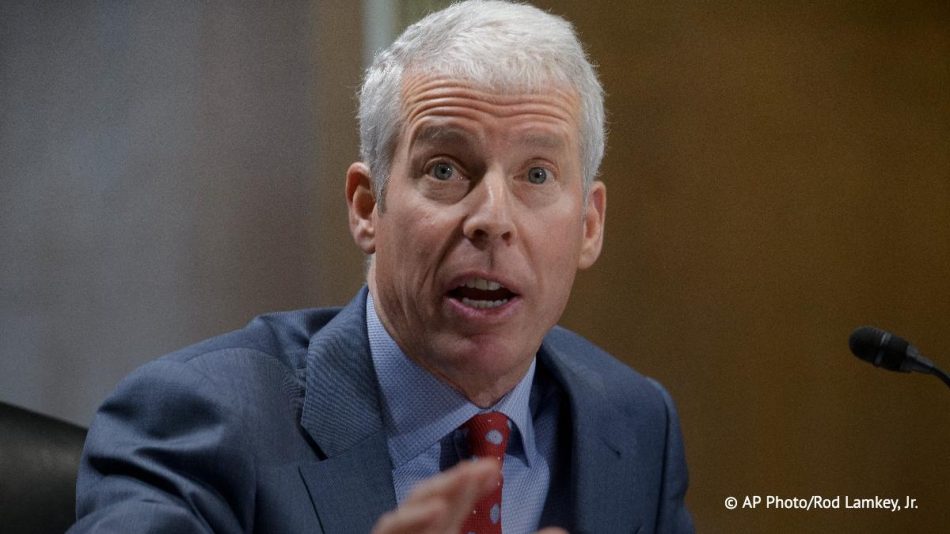
Negli ultimi due giorni, più di 100 navi mercantili hanno attraversato lo Stretto di Ormuz, ha affermato il Segretario all’Energia degli Stati Uniti Chris Wright.
«Ebbene, due giorni fa [hanno attraversato lo Stretto di Ormuz] 55 navi, mentre ieri ne sono passate 67» ha dichiarato alla ABC News, aggiungendo che, per quanto riguarda il petrolio e i prodotti petroliferi, i volumi sono «più o meno pari a quelli registrati prima della guerra».
Ha rifiutato di anticipare quando i prezzi della benzina negli Stati Uniti scenderanno, ma ha suggerito che ciò avverrà indipendentemente dall’esito dei colloqui tra Stati Uniti e Iran.
«I flussi di petrolio e gas naturale attraverso lo stretto sono già tornati alla normalità e continueranno così qualunque sia l’esito dei negoziati con gli iraniani» ha affermato.
«Abbiamo una produzione americana in crescita e una produzione in forte aumento in Venezuela. Abbiamo una cooperazione con tutti gli altri produttori di energia del mondo. Pertanto, ritengo che gli americani possano aspettarsi un calo costante dei prezzi dell’energia.»
///
More than 100 commercial vessels have passed through the Strait of Hormuz over the past two days, US Energy Secretary Chris Wright said.
“Well, 55 ships [passed through the Strait of Hormuz] two days ago, 67 went through yesterday,” he told ABC News, adding that as for oil and oil products, their volumes are “about equal to where we were before the war.”
He refused from anticipating when gasoline prices in the United States will go down but suggested that this will happen regardless of the US-Iran talks. “Flows of oil and natural gas through the straits have already returned to normal, and they will continue that way whatever happens with the negotiations with the Iranians,” he said. “We’ve got growing American production, surging production in Venezuela. We’ve got cooperation with all the other energy producers of the world. So, I think Americans can expect continued declines in energy prices.”